In the industrial world, electricity is never just an additional utility. It is the backbone of daily operations. Production machines, cooling systems, conveyors, and control rooms all depend on a stable and reliable electrical system to keep everything running smoothly.
This is where an electrical panel plays a crucial role. Without a properly designed and manufactured panel system, power distribution can become unstable, increasing the risk of short circuits, equipment damage, or even fire hazards.
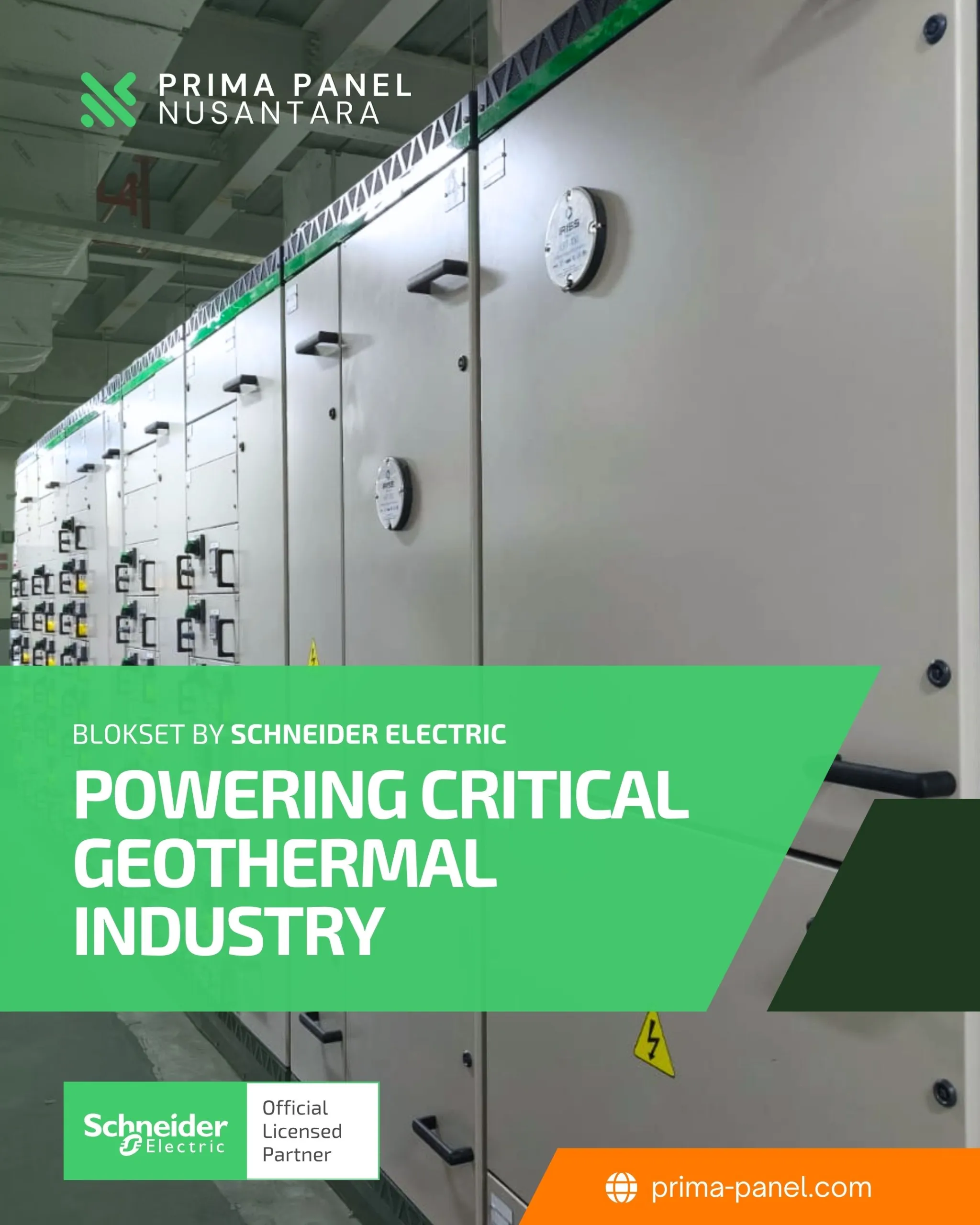
As a company specializing in industrial electrical panel manufacturing, Prima Panel Nusantara provides BlokSeT panel solutions designed to meet technical standards while adapting to the specific requirements of each project.
What Is an Electrical Panel?
Simply put, an electrical panel is the main control center for power distribution within an industrial facility. It receives electricity from the primary power source and distributes it to various areas and machines according to their load requirements.
Internationally, this system is commonly referred to as an electrical panel. Its function goes beyond simply distributing power. It also:
- Protects the system from overload
- Controls power distribution
- Simplifies maintenance
- Maintains operational stability
In industrial environments, the most commonly used type is the low voltage panel. Although it operates at low voltage levels, it handles large current capacities required for heavy industrial loads.
The Role of Electrical Panels in Industrial Power Distribution
1. The Main Power Distribution Center
An electrical panel acts as the central distribution point before electricity is delivered to production lines or specific machinery. A well-planned panel system ensures balanced load distribution, clear separation between production lines, and more structured control.
Without proper design and installation, load imbalance and overheating can easily occur, potentially disrupting operations.
2. Protection Against Overload and Short Circuits
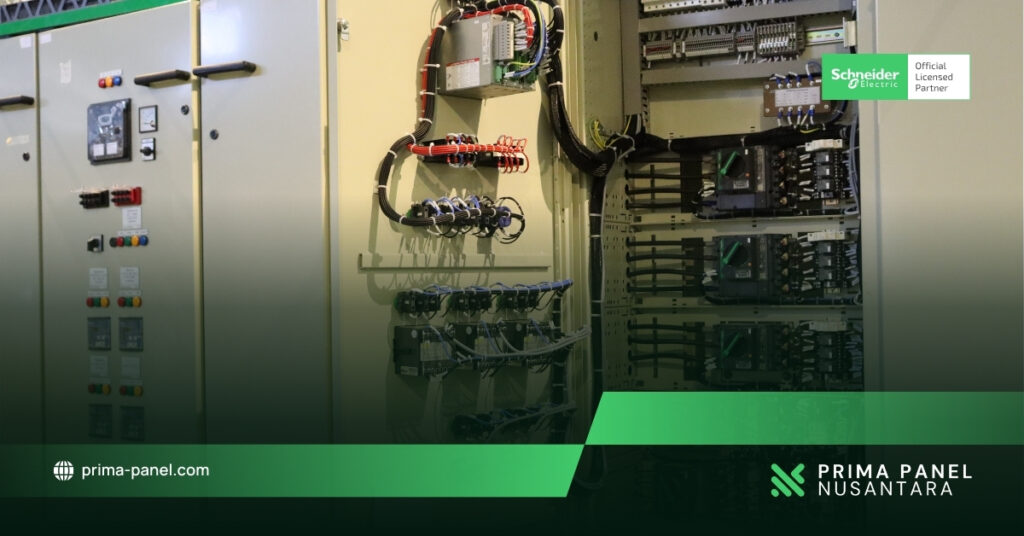
Electrical panels are equipped with protection devices such as MCB, MCCB, ACB, and protection relays. When a power surge or short circuit happens, these systems automatically cut off the electrical flow to prevent damage to machines, cables, and surrounding infrastructure.
This protection mechanism is essential in minimizing downtime and reducing the risk of costly repairs.
3. Energy Monitoring and Control
Modern electrical panels also function as monitoring centers. With the help of ampere meters, volt meters, and digital power meters, technicians can monitor load performance, detect unusual current spikes, and improve overall energy efficiency.
In systems like the Blokset panel by Schneider Electric, modular design and compatibility with metering devices and energy management systems allow for more structured and accurate monitoring. This makes it easier for industries to integrate advanced energy management solutions, including remote monitoring when needed.
4. Supporting Backup Systems and ATS
Electrical panels also manage power transfer during outages. Through an Automatic Transfer Switch (ATS), the system can detect a power failure, activate the generator, and transfer the load automatically — all without interrupting production activities.
For industries that cannot afford downtime, this feature is critical.
5. Enhancing Safety and Standardization
Industrial panels must be designed according to strict safety standards. One example is the modular Blokset system developed by Schneider Electric, known for its clear type-test certification, flexible modular structure, and high safety standards suitable for long-term industrial use.
Standardization ensures not only compliance, but also long-term reliability and easier future expansion.
Kenapa Pemasangan Panel Listrik Tidak Boleh Sembarangan?
Banyak orang hanya fokus pada harga, padahal yang paling penting adalah perencanaan dan pemasangan panel listrik yang tepat.
Beberapa faktor yang wajib diperhatikan meliputi kapasitas arus, jenis beban, sistem proteksi, layout panel, ventilasi, serta standar keselamatan.
Kesalahan instalasi dapat menyebabkan panel cepat panas, trip berulang, gangguan produksi, hingga kerusakan mesin.
Untuk memastikan sistem Anda dirancang sesuai standar dan aman untuk jangka panjang, lihat layanan lengkap kami di halaman service.
Dalam industri, panel listrik berperan sebagai pusat kendali yang menjaga stabilitas, keamanan, dan efisiensi operasional. Dengan desain dan manufaktur yang tepat, sistem ini membantu memastikan distribusi daya tetap stabil, melindungi mesin dan aset, serta mendukung efisiensi energi dan sistem backup.
Jika Anda sedang mempertimbangkan kebutuhan manufaktur dan pemasangan panel listrik industri sesuai standar, Anda dapat menghubungi tim Prima Panel Nusantara untuk informasi lebih lanjut.
Why Proper Electrical Panel Installation Matters
Many companies focus primarily on price when choosing an electrical panel system. However, proper planning and installation are far more important in the long run.
Several critical factors must be considered, including:
- Current capacity
- Type of load
- Protection system
- Panel layout
- Ventilation
- Safety standards
Incorrect installation can lead to overheating, frequent tripping, production interruptions, and even machine failure.
An electrical panel is not just a box filled with components. It is the heart of an industrial electrical system, it responsible for maintaining stability, safety, and efficiency across operations.
If you are currently evaluating the need for industrial electrical panel manufacturing and installation that meets proper standards, you can reach out to the team at Prima Panel Nusantara for further information and consultation.