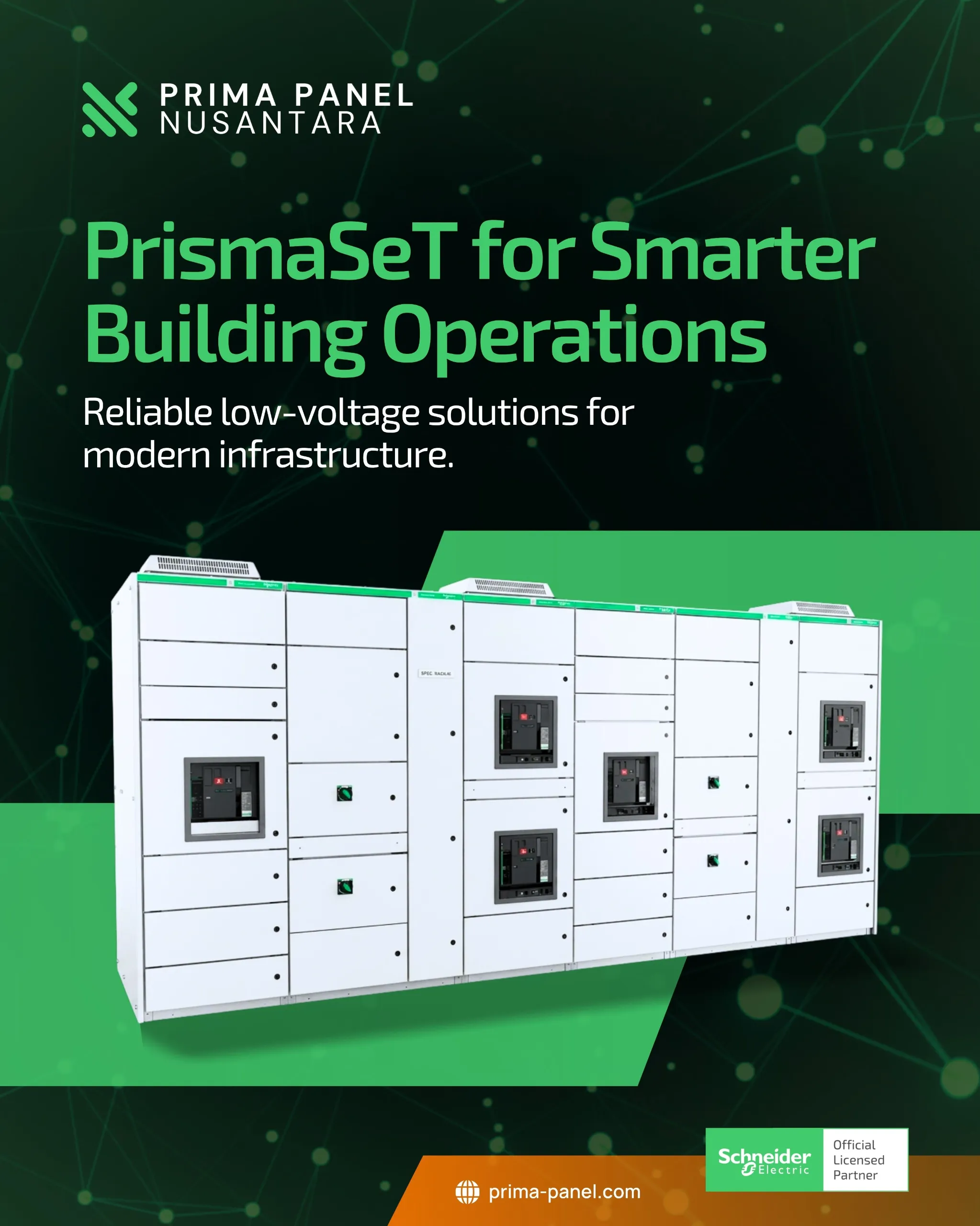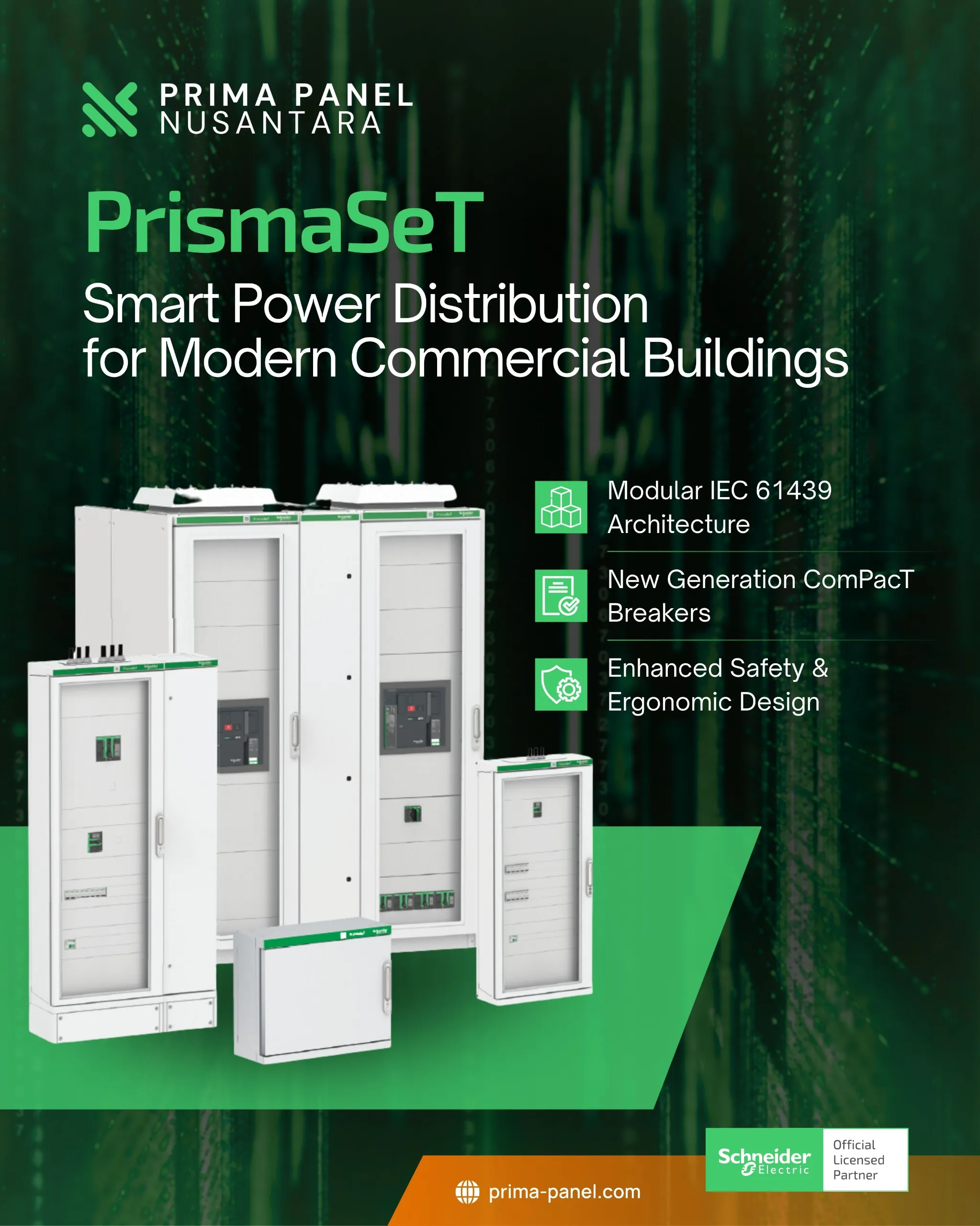
Modern electrical systems are the foundation of daily life, whether in homes, office buildings, or industrial zones. Without a reliable power distribution system, daily activities and production processes would be severely disrupted. This is where the electrical panel plays a vital role—as the central hub for power distribution and control. To fully understand what an electrical panel is, along with its functions and types, let’s dive into the details below.
What Is an Electrical Panel?
In simple terms, an electrical panel is a device that manages, distributes, and controls the flow of electricity from a primary source to various load points within an installation. Typically built into a metal enclosure, an electrical panel houses a variety of interconnected components that ensure a smooth and efficient power system.
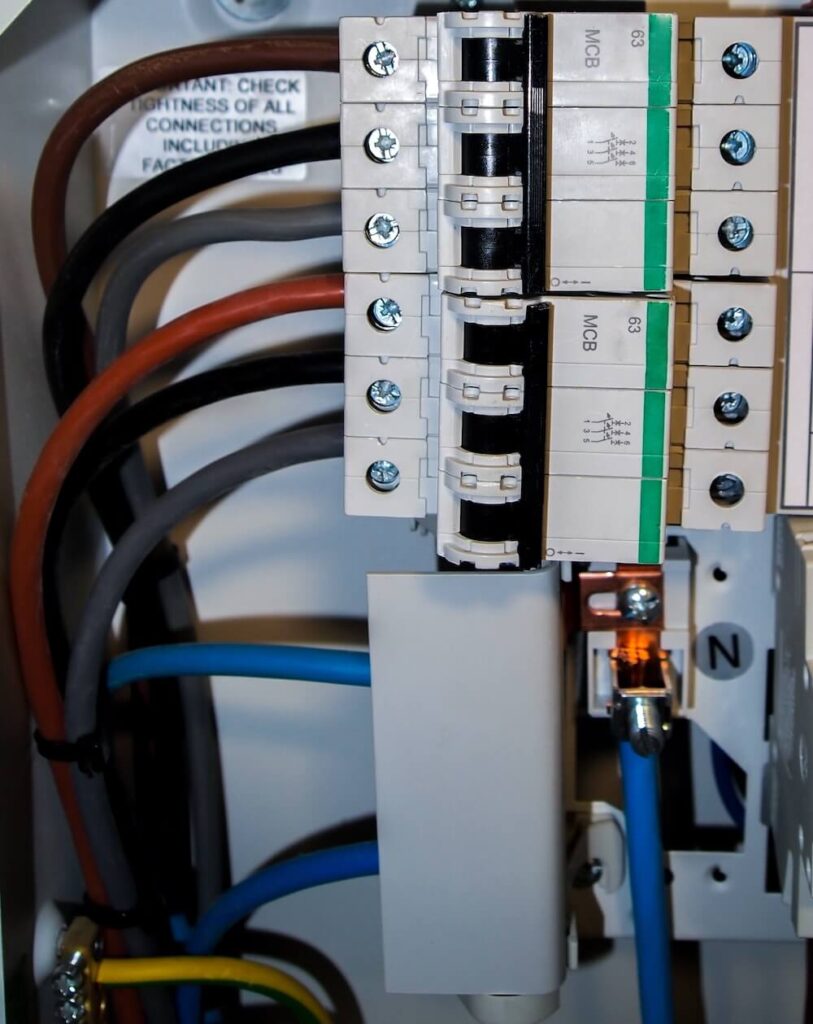
Key components in an LV panel (Low Voltage Panel) include:
- MCB (Miniature Circuit Breaker): Protects circuits from overloads or minor faults.
- MCCB (Molded Case Circuit Breaker): Designed for higher currents, often used in industrial setups.
- Busbar: Acts as the main conductor that distributes electrical current across the system.
- Contactor: Automatically controls the switching of power in circuits.
- Relay: A signal-based control component that enables system protection and automation.
Together, these elements enable the electrical panel to perform three main functions:
- Power distribution
- Electrical fault protection
- Manual and automatic power control
How Does an Electrical Panel Work?
The panel serves as a power distribution center, receiving electricity from a main source—such as PLN (Indonesia’s utility company) or a generator—and distributing it to various loads like lighting, appliances, or industrial machinery. To protect the system, devices like MCBs or MCCBs will automatically shut down the circuit when an overload or short circuit is detected.
Modern electrical panels are often equipped with IoT integration that adds smart sensors and connectivity—allowing users to monitor power usage in real time, get alerts before failures happen, and control the panel remotely. This means faster response, lower maintenance costs, and better energy efficiency—especially valuable in factories, commercial buildings, and data centers.
Types of Electrical Panels
Electrical panels vary based on installation scale and power needs. The most common types include:
- Low Voltage Main Distribution Panel or LVMDP : Acts as the central control panel for distributing low-voltage electricity various loads.
- Sub-Distribution Panel : Distributes electricity across different zones or areas within a system.
- Panel Motor Control Center (MCC) : Centralized control panel for managing the operation of electric motors—widely used in manufacturing sectors.
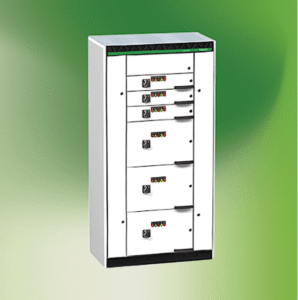
- ATS Panel (Automatic Transfer Switch) : Automatically switches the power source from PLN to a generator during a blackout.
- Synchronizing Panel : Synchronizes two or more power sources, such as gensets and PLN, ensuring smooth load sharing.
Why Compliance Matters: IEC 61439 & Blokset Modular Solutions
Choosing an electrical panel that complies with IEC 61439 is essential for ensuring safety, efficiency, and long-term reliability. One trusted solution is the Blokset system by Schneider Electric—a type-tested, modular low voltage panel designed for high performance.
Why Blokset?
- Modular design for easy expansion
- Space-efficient and highly reliable
- Ideal for factories, airports, and data centers
As a core part of any power system, a well-chosen LV panel ensures stable operation in residential, industrial, or mission-critical environments. As a top solution in Blokset Indonesia, it’s the preferred choice for engineers building modern, standards-compliant infrastructure.
Need a Reliable Electrical Panel Partner?
Prima Panel Nusantara offers high-quality, certified type-tested electrical panels, including flexible modular systems like Blokset Schneider—perfect for projects of any scale.